

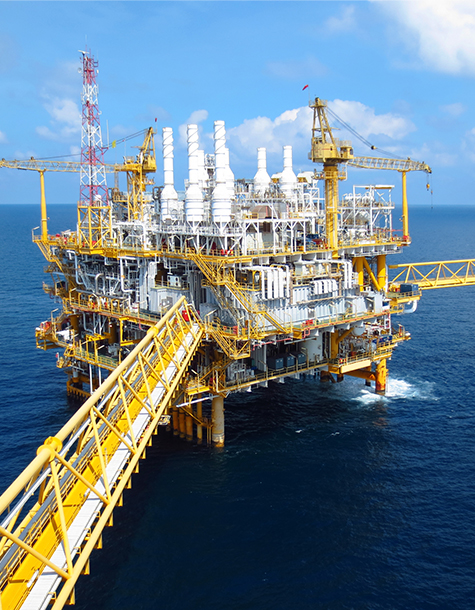
The petroleum industry is an industrial sector that involves the extraction of petroleum (including natural petroleum, oil shale, and natural gas) and its refining and processing. It is composed of units such as oilfield geological exploration, oilfield development, petroleum extraction, transportation, and refining and processing. Petroleum is the "blood" of industry and an important industrial energy source.
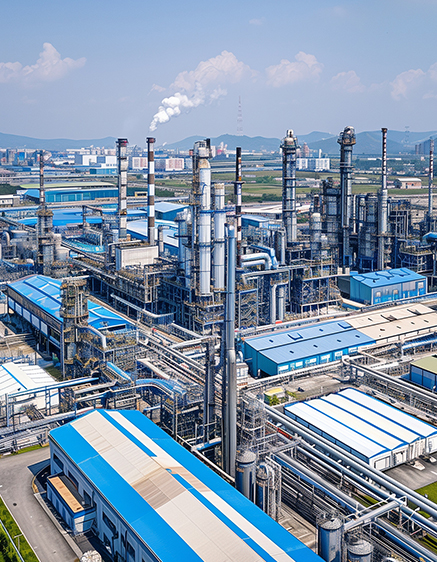
The chemical industry encompasses departments such as chemical engineering, oil refining, metallurgy, energy, light industry, petrochemicals, environment, medicine, environmental protection, and others. It involves various aspects including engineering design, fine and daily chemical products, energy and power, technology development, production technology management, and scientific research.
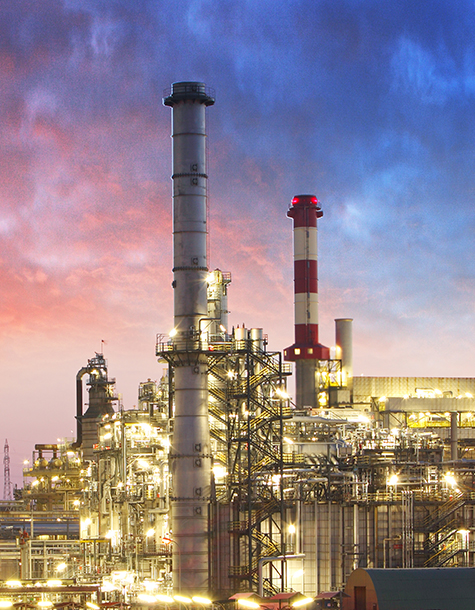
A power station is a factory that converts various primary energy sources found in nature into electrical energy (secondary energy). At the end of the 19th century, with the growth of electricity demand, people began to propose the idea of establishing a power production center. The development of motor manufacturing technology, the expansion of the application range of electrical energy, and the rapid growth of production's need for electricity led to the emergence of power plants.
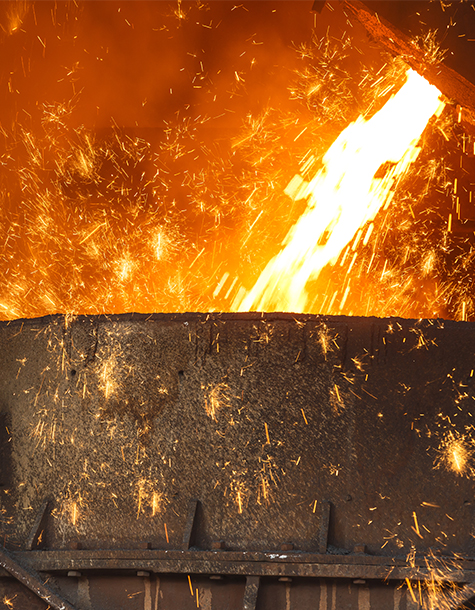
The metallurgical industry refers to the industrial sector that involves the extraction, selection, smelting of metal ores, and the subsequent processing and transformation of these ores into metal materials. During its development, due to its own characteristics, the metallurgical industry is prone to being influenced by various external factors, such as domestic and international economies, mainly manifested in the aspects of domestic macroeconomy and international macroeconomy.
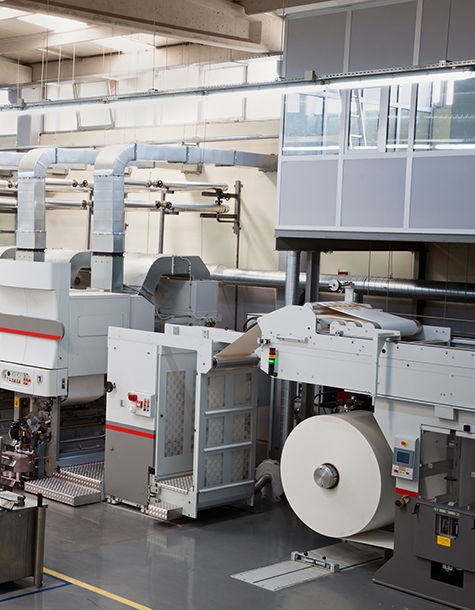
The paper industry is an industrial sector that manufactures various types of paper and paperboard. It encompasses the pulp manufacturing industry that produces paper pulp using raw materials such as wood, reeds, sugar cane residue, straw, wheat straw, cotton stalks, hemp fibers, cotton, etc., the paper and paperboard manufacturing industry, and the processing paper manufacturing industry that produces coated, glazed, laminated, and other processed papers as well as typeface paper plates for printing.
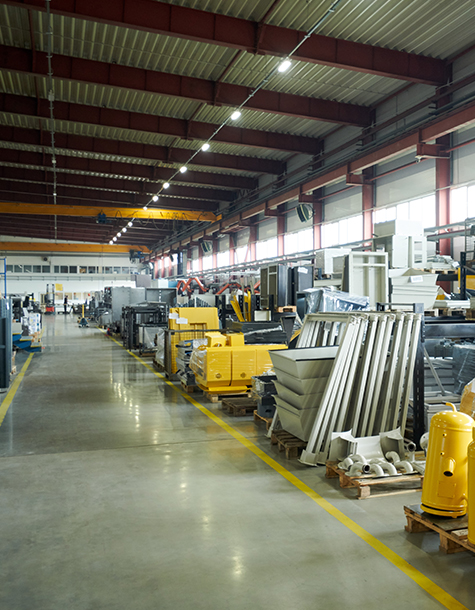
Light industry: Refers to the industry that mainly produces daily consumer goods and manufactures hand tools.

Environmental protection, also known as environmental conservation, refers to all the actions taken by humans to address current or potential environmental issues, to coordinate the relationship between humans and the environment, and to ensure the sustainable development of the economy and society. Its methods and means include engineering technologies, administrative management, innovation and research and development, as well as legal, economic, and educational and publicity measures, etc.
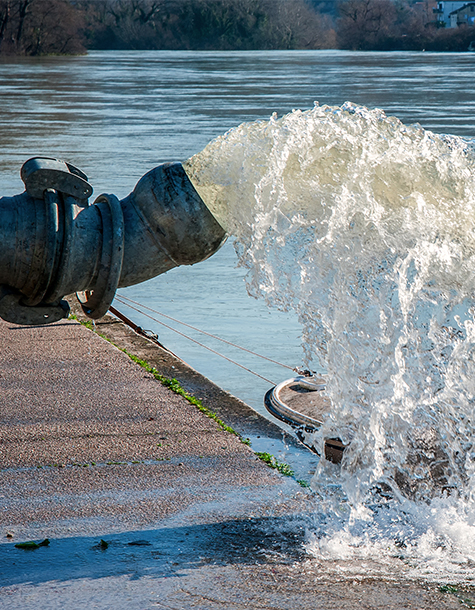
The water supply system refers to the system that transports treated and pressurized tap water or other water sources to the user's end. It mainly meets the water needs for daily life, production and fire protection of people. The water supply system usually consists of parts such as water sources, water treatment facilities, pumping stations, water transmission pipelines and user terminal facilities. For example, in a residential community, the water supply system will be connected to the municipal water supply pipeline of the community through the internal pipelines of the community and then be transported to the water taps of each household.